
Straight answers for a Sunnyside move.
Useful answers about the community, the homes, financing, listings and working with Dusko and the team.
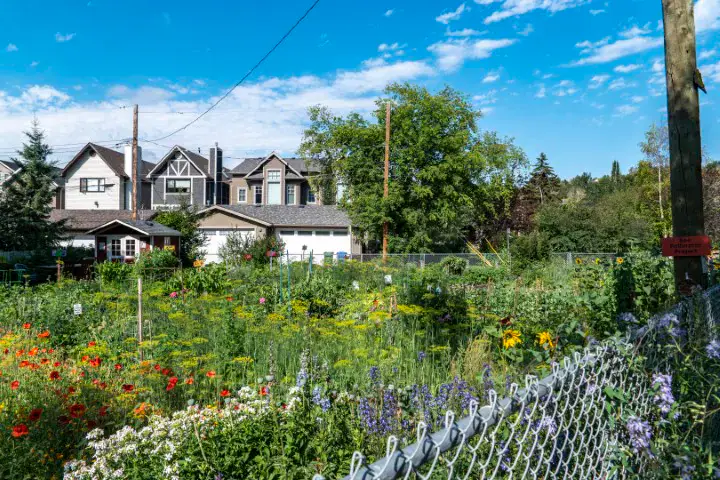
01What is the overall feel of Sunnyside?
Sunnyside is best understood at both the neighbourhood and building level, where ownership structure and immediate surroundings can matter as much as interior finish. For Sunnyside, keep apartment condominium options in the same decision as central-city connections. Nearby alternatives in the same decision can include Hillhurst and Crescent Heights.
02Who is most likely to include Sunnyside in a home search?
Urban-home buyers: For households balancing interior space with walkability, transit, parking, storage and the life immediately outside the building. Condominium comparers: For buyers prepared to compare governance, reserve planning, insurance and total monthly ownership—not finishes alone. Urban sellers: For owners who want the unit, building and location story positioned as one clear buyer proposition. For Sunnyside, keep townhome and attached choices in the same decision as local services and gathering places. Nearby alternatives in the same decision can include Crescent Heights and Bridgeland/Riverside.
03What should I look at when comparing Sunnyside homes?
Apartment condominium options, Townhome and attached choices, Established and newer buildings, Different exposures, plans and ownership costs. The weight depends on the actual home, ownership form and site. For Sunnyside, keep established and newer buildings in the same decision as transit, walking and cycling options. Nearby alternatives in the same decision can include Bridgeland/Riverside and Downtown.
04Where can I see current Sunnyside homes for sale?
Use the dedicated HomesForSaleNearMe search, then contact Dusko for showing coordination and a closer property comparison. For Sunnyside, keep different exposures, plans and ownership costs in the same decision as a block-by-block ownership experience. Nearby alternatives in the same decision can include Downtown and Hillhurst.
05Should I get pre-approved before looking in Sunnyside?
A current mortgage pre-approval can clarify the range, deposit plan and lender conditions before a strong property creates time pressure. For Sunnyside, keep apartment condominium options in the same decision as central-city connections. Nearby alternatives in the same decision can include Hillhurst and Crescent Heights.
06How can I follow the Sunnyside real estate market?
Use the market-report page for available monthly community figures and dated archives, then compare the current property set. For Sunnyside, keep townhome and attached choices in the same decision as local services and gathering places. Nearby alternatives in the same decision can include Crescent Heights and Bridgeland/Riverside.
07Who is the main real estate contact for Sunnyside?
Dusko Sremac is the primary contact, backed by Real Estate Partners by Real Broker. For Sunnyside, keep established and newer buildings in the same decision as transit, walking and cycling options. Nearby alternatives in the same decision can include Bridgeland/Riverside and Downtown.
08How should a Sunnyside seller prepare?
Start with the home’s real differentiators, documentation, condition and likely buyer, then build pricing, media and distribution around it. For Sunnyside, keep different exposures, plans and ownership costs in the same decision as a block-by-block ownership experience. Nearby alternatives in the same decision can include Downtown and Hillhurst.
A fuller Sunnyside foundation.
Sunnyside is a north-of-downtown inner-city community where low-rise condominiums, character houses, infill and proximity to the Bow River and Kensington district create several distinct searches. The official 2021 Census profile counted 4,000 people in private households and 2,390 private households within the exact community profile geography used for this site. Apartments in buildings with fewer than five storeys represented 60% of occupied private dwellings, single-detached houses represented 17%, and the largest reported construction cohort was 1961 to 1980 at 39%. Those figures are dated context rather than current prices or evidence about an individual property. Condominium buyers should focus on corporation finances, reserve planning, insurance, parking and unit exposure, while house and infill buyers should test site, permits, grade, effective age and immediate-block conditions.
How to read this brief
Exact community-profile evidence is used for this guide. Historical Census context, current listing status and address-specific property evidence remain separate layers.
Historical community evidence, current listing status and address-specific property records remain separate layers throughout the guide.
See sources and methodology →Eight Sunnyside answers that need a second evidence layer.
Sunnyside is best understood at both the neighbourhood and building level, where ownership structure and immediate surroundings can matter as much as interior finish. This record turns the community file into route-specific work while keeping the subject property and current professional advice separate.
Open the answer library8 local records +
01Community identity
The profile counted 4,000 people in private households across 2,390 households, with an average household size of 1.7 people. For this answer library, use that evidence to answer the community-level part first and state what still depends on the address. Read it beside: Identify address-specific water, drainage, slope, noise, traffic, construction, fire, environmental or insurance questions relevant to the Sunnyside property; do not generalize an exposure to every home. Comparison checkpoint: Hillhurst. Compare the adjoining Kensington-area market for character housing, infill and condominium alternatives. Current listing status still belongs to the approved live record.
02Housing baseline
1,435 occupied private dwellings were reported as apartments in buildings with fewer than five storeys in the 2021 Census profile (60%); 395 single-detached houses represented another 17%. Applied to the answer library, the evidence helps separate housing form, effective age and ownership structure before generalizing. Read it beside: Record permits, material improvements, remaining systems life, visible deficiencies and follow-up documents during the tour. Comparison checkpoint: Crescent Heights. Compare another north-of-downtown inner-city market with different escarpment, transit and housing trade-offs. Condition and legality still require the documents and review appropriate to the property.
03Mobility and daily context
2,505 residents aged five and older had moved within the prior five years (65%); that is household-mobility context rather than a proxy for real estate turnover. Within the answer library, its job is to name the current route, operator or access record needed to finish the answer. Read it beside: Caption improvements and inclusions precisely so buyers can separate documented value from decoration or staging. Comparison checkpoint: Bridgeland/Riverside. Compare a nearby river-oriented urban community with newer condominium supply and a different mixed-use setting. A lender or mortgage professional must decide how the actual property affects financing acceptance.
04Property review
Identify address-specific water, drainage, slope, noise, traffic, construction, fire, environmental or insurance questions relevant to the Sunnyside property; do not generalize an exposure to every home. The answer library should use this record to identify the title, permit, document, inspection or professional review that resolves the issue. Read it beside: Compare a denser central apartment search where building type, fees, parking and urban access carry different weight. Comparison checkpoint: Downtown. Compare a denser central apartment search where building type, fees, parking and urban access carry different weight. Community context cannot establish value for the subject home.
05Buyer decision
Which Sunnyside property form, ownership structure and completion stage fit the intended use and budget? Here, the practical use is to turn the evidence into a comparison question a buyer can use on a showing. Read it beside: Title, registered-interest and plan due diligence. Publisher record: Government of Alberta. Comparison checkpoint: Hillhurst. Compare the adjoining Kensington-area market for character housing, infill and condominium alternatives. A named source supports only the claim and geography recorded for it.
06Seller positioning
Lead with the real differentiators of the Sunnyside property: site, effective age, documented improvements, layout, ownership structure and immediate setting. Carry this into the answer library to show which verified property fact a seller would need before making the claim publicly. Read it beside: The profile counted 4,000 people in private households across 2,390 households, with an average household size of 1.7 people. Comparison checkpoint: Crescent Heights. Compare another north-of-downtown inner-city market with different escarpment, transit and housing trade-offs. A comparison relationship does not make two properties or communities equivalent.
07Compare Hillhurst
Compare the adjoining Kensington-area market for character housing, infill and condominium alternatives. For the answer library workflow, use it to explain the comparison logic without presenting two communities as interchangeable. Read it beside: Review the survey or real property report, current land-use record and title before making a redevelopment, parking, access or boundary assumption. Comparison checkpoint: Bridgeland/Riverside. Compare a nearby river-oriented urban community with newer condominium supply and a different mixed-use setting. Historical evidence must not be presented as current inventory or operating status.
082021 Census Community Profile: Sunnyside
Census population, household, tenure, dwelling-form and construction-period context. Publisher record: The City of Calgary. The next step in the answer library is to cite the named record and keep its date and support boundary visible. Read it beside: Distinguish a feature inside the mapped community from one that is nearby, planned or accessible only from particular streets or phases. Comparison checkpoint: Downtown. Compare a denser central apartment search where building type, fees, parking and urban access carry different weight. The paired records define the next question; they do not settle the property conclusion.
Choose your next step in Sunnyside.
Compare the community, the type of home and the property-specific details in the order that makes sense for your move.
Building guide
Go beyond the short answer with the archetype-specific decision file built for Sunnyside.
Explore →02Audit the evidence
See which references support community, housing, market and migration statements—and the limits of each record.
Explore →03Use the complete guide library
Move from the short answer into the Sunnyside housing, living, buyer, seller, market and property-type decision routes.
Explore →Official referencesGovernment and official records used for local context3 references +
Census population, household, tenure, dwelling-form and construction-period context
Open official source ↗02Property ResearchThe City of Calgary · accessed 2026-08-26Address-level permits, land use and planning records
Open official source ↗03Purchasing a new homeGovernment of Alberta · accessed 2026-09-12Provincial guidance on purchase contracts, land titles, property reports and home inspections
Open official source ↗Official records provide dated community context. Current listing status and conclusions about one property still require the applicable live record and property documents.